
Travel News • Asia • Indonesia
What If Your Luxury Hotel Were Also a Hospitality School?
Inside NIHI Rote, a luxury Indonesian retreat where a community hospitality academy came years before the resort, and guests learn the island directly from its students.
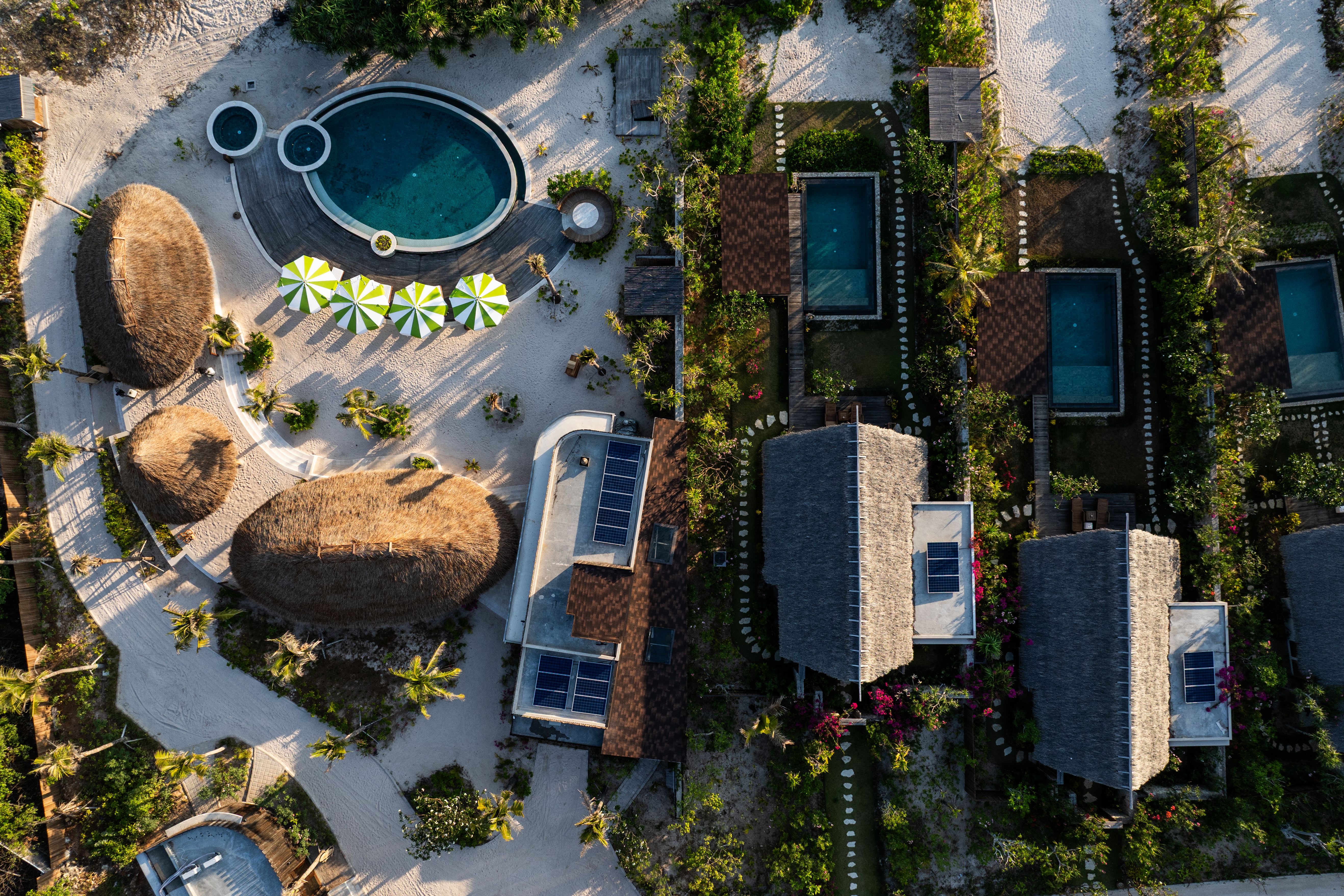
Courtesy of NIHI Rote & Hospitality Academy
BY JORDI LIPPE-MCGRAW
The model behind the stay
Picture a five-star resort where the person pouring your coffee is also, that same week, sitting in a classroom learning the trade, where the graduation ceremony and the guest experience happen on the same patch of ground. That's the premise Michael Schwab built at NIHI Rote, and he built the school years before he built the resort around it.
Schwab bought his first piece of land on Rote in 2011. NIHI Rote welcomed its first guests this past April. Fifteen years passed between those two dates, and for a long stretch of that time, the resort itself was still years away. The Academy, though, was already running.
"We were training students before there was a resort for them to work in," Schwab told Hotels Above Par.
The idea traces back to NIHI Sumba, the sister property where James McBride and Chris Burch had already shown Schwab what happens when a community program becomes the actual foundation of a resort rather than a line item in the brochure. The Sumba Foundation's work on clean water, malaria prevention, nutrition, and schools gave that resort its character, and Schwab wanted Rote to feel that way too. So the question of where to put the school answered itself. Keep it inside the resort, on the same working floor as the staff doing the job for real, so guests come to know the island through the people who live there.
A typical day at the Academy runs nine to five, split between classroom instruction in English and Indonesian and hands-on training across Housekeeping, Food and Beverage Service, Front Office, Guest Experience, Spa, and Kitchen. The current cohort has 21 students, and Schwab describes the boundary between school and resort as barely there at all. Students begin in Housekeeping, Food and Beverage, and Guest Experience, shadowing experienced staff and taking on more responsibility as they earn it.
Every student on Rote comes from Rote, for now. President José Ramos-Horta of Timor-Leste, a Nobel Peace Prize laureate, has become a supporter of the Academy, and Schwab hopes to eventually welcome students from Timor-Leste as well. He takes that endorsement seriously, saying that a head of state attaching his name to a hospitality school on a small Indonesian island signals real stakes for the region's young people.
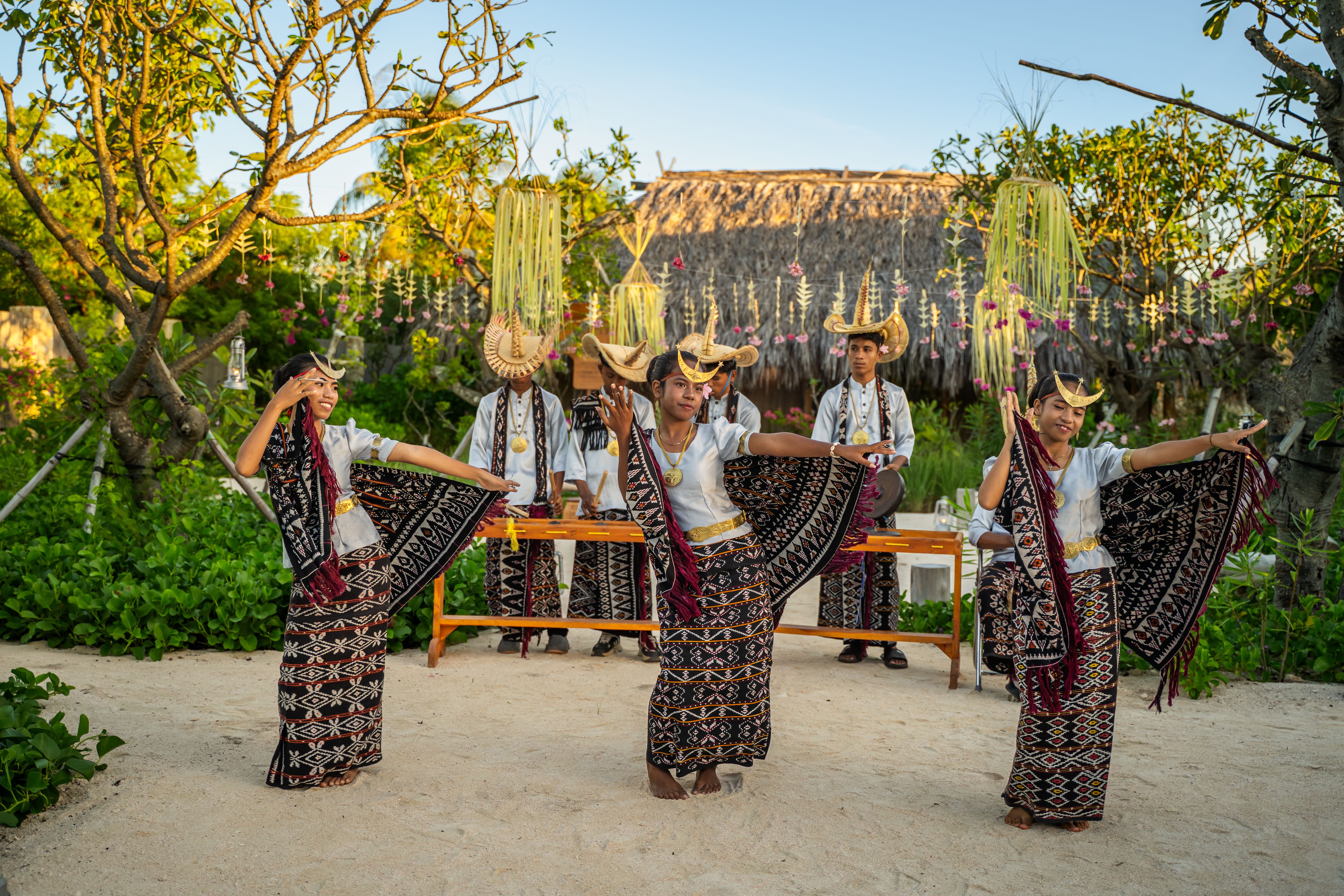
Courtesy of NIHI Rote & Hospitality Academy
Across three intakes, 51 students have come through the Academy. Twenty-seven are working today, either at NIHI Rote, elsewhere in the NIHI family, or in the wider industry carrying a NIHI reference. The remaining 21 are in the classroom right now. Schwab would love for graduates to build their careers on Rote, though he also counts a graduate who spends a decade in Bali and eventually comes home to run something as a genuine success.
Guests get pulled into that world through communal dinners, English classes, volleyball games, and conservation programs. Schwab has sat at the Academy dinner himself and watched what it does to a stay. Guests arrive expecting the villa and the wave, and they leave talking about the people. Students get real conversation practice with someone who isn't grading them, and they see their own culture as something worth traveling a long way for.
Asked how a resort maintains five-star service while training staff in real time, Schwab points to mentorship. Every student works beside an experienced team member, watched and guided throughout a shift. He also reframes the question: guests who choose Rote came for an island most travelers can't find on a map, and a slightly nervous student pouring coffee while telling you about her village delivers exactly the experience they came for.
The numbers back up his optimism. Of NIHI Rote's 183 full-time employees, 104 are Rotenese. The figure Schwab really wants- how many of the 51 Academy students are still on Rote running things in a decade- will take years to answer.
His advice for other resort owners chasing something similar comes down to patience and a mindset shift: treat the community as the asset itself, hire from it, train it, and put it in front of the guest rather than tucking it behind the scenes. Fifteen years of cost before a single guest checked in is a long runway few investors will hold. For Schwab, that patience is the whole strategy, on Rote and everywhere else he invests.
So, what if your luxury hotel were also a hospitality school? On Rote, the answer looks like 51 students, 27 careers, and a resort that opened only after the classroom already had. Schwab would argue the two were never separate projects to begin with.
Hotels Above Par
Independent, boutique-minded travel journalism from writers who know the places they cover.
Partnership Disclosure
Hotels Above Par may receive compensation, promotional fees, hosted-stay consideration, affiliate commissions, or other benefits from hotel, travel, or brand partners mentioned in this piece. These relationships do not determine our editorial judgment. We choose what to feature based on relevance, taste, usefulness, and fit for our readers. Purchases, bookings, or inquiries made through partner links may result in compensation to Hotels Above Par at no additional cost to you.